
Back in November, my friend Carson Hornsby shared a LinkedIn post about corporate talent strategy that got me thinking. The conversation started with Gen Z, retention, and the increasingly short amount of time many younger employees are staying in jobs. But Carson made a point that stuck with me, and ultimately became the premise for this post:
“A truly resilient talent strategy isn’t generational… it’s intergenerational.”
Credit where credit is due, Carson… because I think there’s a much bigger conversation hiding inside those words. We spend an enormous amount of time trying to understand generations in the workplace. What does Gen Z want, why are they leaving, how do we retain Millennials, how do we manage Boomers? Entire consulting practices, research reports, and corporate initiatives have been built around answering questions like these. But perhaps we’re asking the wrong questions.
When employees are moving quickly from one organization to another, labeling them disloyal doesn’t tell us very much. We should be asking what they aren’t finding where they are… is it Alignment, Flexibility, Opportunity, Purpose, Recognition? Do they feel heard, do they feel valued, do they believe there is somewhere for them to go within the organization? Those aren’t really generational questions. They’re people questions.
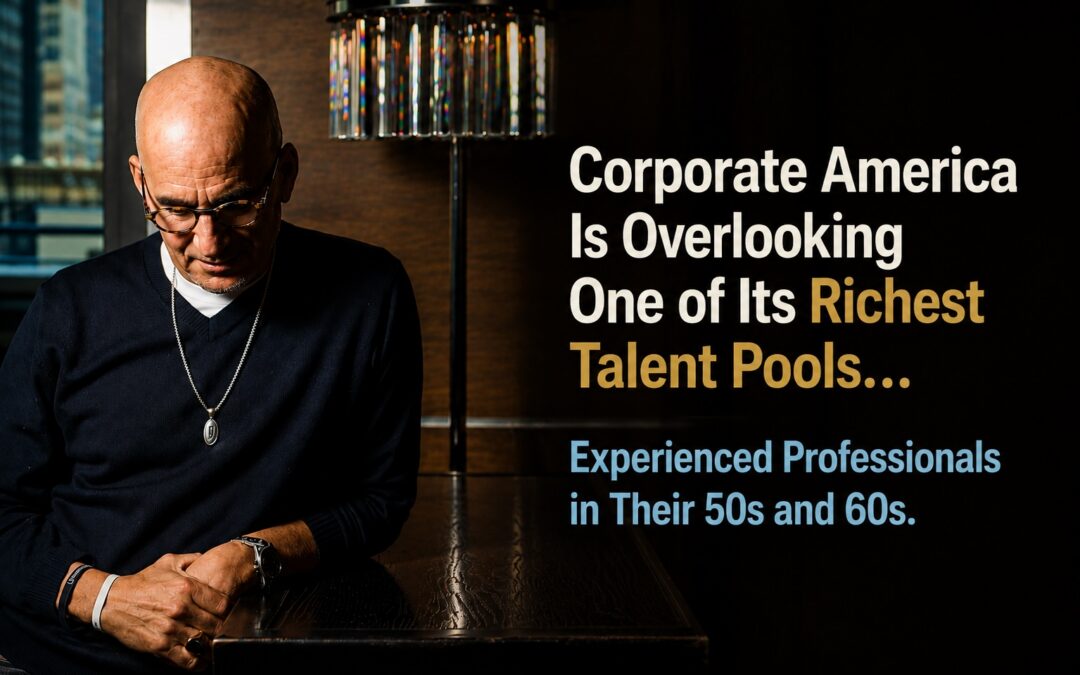
And while companies are investing enormous amounts of energy trying to decode younger workers, I believe many are simultaneously overlooking one of the richest talent pools available to them… experienced professionals in their 50s and 60s. These are people who may have spent decades navigating business cycles, building teams, managing crises, developing relationships, making mistakes, recovering from them, and learning the difference between knowing something and having the judgment to know what to do with it. That distinction matters.
We talk constantly about the skills gap, leadership shortages, mentoring, institutional knowledge, and the need for employees who can operate with less supervision. Then too many organizations screen out precisely the people who may possess those qualities because they don’t fit someone’s picture of an emerging workforce. That makes very little sense to me. But this isn’t an argument for older workers instead of younger workers. That would simply replace one form of generational thinking with another. The opportunity is in bringing them together.
Imagine organizations deliberately building teams where someone beginning a career works alongside someone who has spent 30 or 40 years navigating one. Where digital fluency and fresh perspectives meet experience and context. Where mentoring isn’t simply senior people teaching younger people, but knowledge moving in both directions. That’s where this gets interesting!
Someone in their 20s may understand a technology, platform, cultural shift, or emerging behavior far better than the person sitting next to them who has been working since before they were born. And that experienced colleague may recognize a business pattern, relationship dynamic, or unintended consequence the younger employee has never encountered. Neither makes the other less valuable. Together, they can make each other better.
This is also where RETURN ON RELATIONSHIP becomes a talent strategy, not simply a marketing philosophy. People are far more likely to contribute, collaborate, share what they know, and invest in one another when an organization creates an environment where they feel respected and valued. You cannot mandate that kind of culture through an HR policy. You build it through perspective, attitude, mindset and relationships.
And perhaps that is what gets lost when we become obsessed with workforce demographics. We start managing categories instead of people. We study generations instead of individuals. We create assumptions about what someone wants based on the year they were born rather than having the conversation and asking them. A resilient organization needs young people, it needs experienced people, it needs people in the middle, it needs different perspectives, different life experiences, different ways of thinking… and people willing to learn from one another.
The competitive advantage isn’t figuring out which generation has the answer. It’s creating an organization where generations share the answers they already have… and discover the ones they don’t, together. That’s not a Gen Z strategy, it’s not a Boomer strategy… it’s a talent strategy.
And as Carson so perfectly put it…
A truly resilient talent strategy isn’t generational… it’s intergenerational.