
Doug Zarkin recently posed a great question on LinkedIn… “What’s the best job that isn’t on your résumé?”
My answer isn’t one job… it’s most of what I did before my post-college career even began. Looking back, those jobs probably taught me more about work ethic, ingenuity, selling, relationships, and the need to always be learning than I realized at the time.
It started with my newspaper route, back when delivering the paper meant much more than tossing it onto someone’s driveway. Every week, I had to knock on doors and collect payment from my customers. I kept the portion that represented my tips and turned the rest over to the district manager. Without knowing it, I was learning about responsibility, customer service, consistency, and the connection between how you treat people and whether they want to reward you for the effort.
Then came shoveling snow. There was no app connecting me with customers and no neighborhood group where I could advertise my availability… I went door-to-door, found my own customers, negotiated what I would be paid, and did the work. If I wanted to make money, I had to recognize an opportunity, put myself out there, hear “no” without being discouraged, and keep moving until someone said “yes.”
My first official “real” job was working in a clothing store… dealing with people one-on-one, their likes and dislikes, and representing the store on a manor that suited the owner. Later, I bartended, which may be one of the best crash courses in human behavior and relationship-building anyone can receive. You learn to listen, remember people, read the room, manage competing demands, and understand that the experience you create matters just as much as the product you serve.
From junior high through college, I also bought and sold various products person-to-person. I learned that selling wasn’t about pushing something on someone… it was about understanding what people wanted, communicating value, earning trust, and recognizing that every transaction carried the possibility of a future relationship.
And then there was painting houses.. I started by myself, eventually took on a partner, and later had employees working for me. What began as a way to earn money became an education in estimating, pricing, managing expenses, finding customers, meeting expectations, supervising others, and most importantly… being accountable when something didn’t go as planned. Long before I had a business title, I was learning what it meant to run a business.
None of those jobs made my professional resume. There was never a section describing the papers I delivered before school, the sidewalks I shoveled after a snowstorm, the drinks I served behind a bar, the products I sold face-to-face, or the houses my crews and I painted. But the lessons traveled with me.
Those jobs taught me that opportunity doesn’t always arrive with an invitation… sometimes you have to knock on the door. They taught me that relationships matter, trust is earned one interaction at a time, and how you make people feel often determines whether they choose to do business with you again. They taught me that selling is something we all do, whether we’re selling a product, an idea, our capabilities, or simply the belief that we will do what we said we would do.
Most importantly, they taught me to keep learning… every unfamiliar job required me to observe, adapt, ask questions, make mistakes, and figure things out. Ingenuity wasn’t something discussed in a meeting or included in a job description… it was what you relied on when there was work to be done and no one standing nearby to tell you exactly how to do it.
We tend to think a resume tells the story of how someone became qualified. But a resume captures only the most visible part of that story… it lists the positions, companies, accomplishments, and titles that came later, while leaving out many of the experiences that shaped the character, resourcefulness, and resilience behind them.
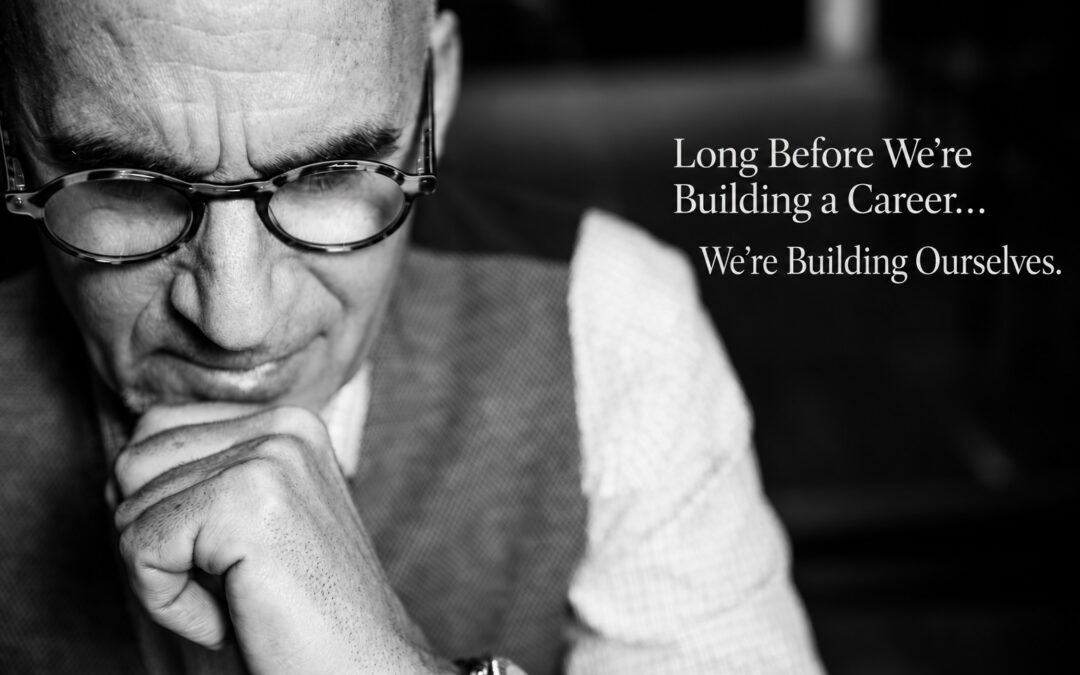
Perhaps that’s the real value of those early jobs. Long before we’re building a career, we’re building ourselves… and sometimes the work that never makes the resume is the work that prepared us most for everything that did.